When Solving the 'Impossible' Is Part of the Job
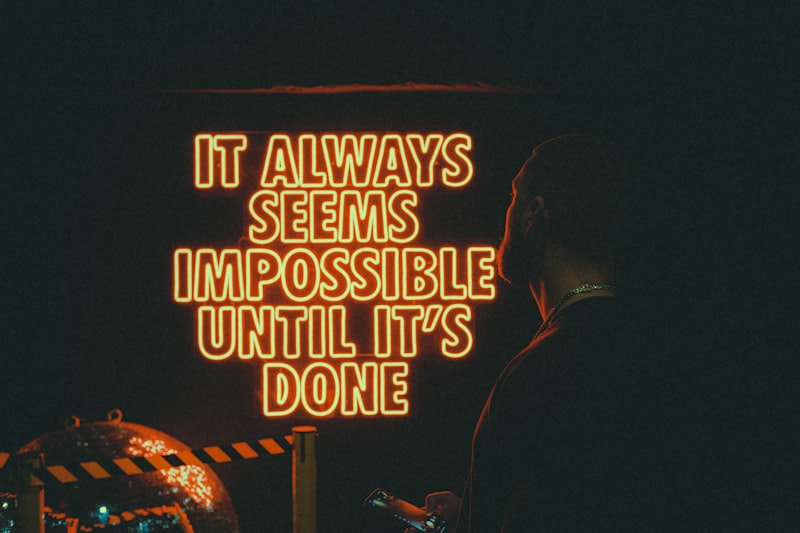
The Impossible Is Almost Never Technical
When a client tells us something is impossible, the problem is usually not:
- the technology
- the hardware
- the software
The problem is usually:
- nobody understands the complete design
- knowledge is concentrated in a single person
- there’s fear of touching it because “everything could break”
- a contingency plan was never tested
- nobody really knows what depends on what
In that context, any change seems like a threat.
Infrastructures That Work… Until They Stop
We see this pattern over and over:
- networks that grew without redesign
- critical servers without tested backups
- inherited configurations nobody dares to review
- services set up “to get by” that remained in production for years
Everything works.
Until it stops working.
And when that happens, the problem is not the incident itself, but that nobody knows where to start.
That’s where “this is impossible” appears.
Our Work Starts Where Others Stop
At Ayuda.LA we usually come in when:
- the original provider is no longer there
- the technician who set everything up left
- nobody understands the real topology
- there’s fear that any change will cause a total outage
Our approach is not “doing magic”, but bringing order:
- Survey and understand the real infrastructure
- Document what exists (even if it’s wrong)
- Identify risks and single points of failure
- Separate emergencies from structural problems
- Design a possible path, step by step
Solving the “impossible” almost always starts by understanding the complete system, not by pressing keys.
Incidents Others Don’t Want to Take
There are jobs many avoid:
- migrations without documentation
- production networks without backup
- critical services without maintenance window
- environments where “nobody takes responsibility”
We take them because we know someone has to do it, and do it well.
That means taking technical responsibility, making defensible decisions, and accompanying the client throughout the process, even when there’s tension or pressure.
Engineering, Judgment, and Experience
Solving complex scenarios doesn’t depend on a miraculous tool, but on:
- real production experience
- judgment to prioritize
- ability to explain risks clearly
- knowing when to move forward and when to stop
Often, the solution is not to redo everything from scratch, but to organize, stabilize, and only then improve.
That approach reduces risks and returns something key: control.
When the Impossible Stops Being So
The most common moment we see is this:
“We thought it couldn’t be done… but now we understand why it was failing.”
When clarity appears, the impossible transforms into:
- a plan
- a roadmap
- concrete decisions
- gradual improvements
And, above all, operational peace of mind.
Solving the Impossible Is Not Heroism, It’s Method
We don’t believe in saviors or last-minute epic solutions.
We believe in method, documentation, and support.
Solving the “impossible” is, many times, simply doing the work nobody did before.
If today your infrastructure seems fragile, incomprehensible, or untouchable, it’s probably not impossible.
It probably just needs a different perspective.
At Ayuda.LA, that’s our job.